Health & Wellness
How Much Exercise Does Your Dog Really Need? A Guide by Age, Breed & Energy Level
As a behaviourist, one of the most common root causes I see for destructive chewing, excessive barking, and leash reactivity isn't a 'bad' temperament—it's simply pent-up energy. We expect our dogs to adapt to our modern, stationary lifestyles, but their bodies and minds are built to move.
As a behaviourist, one of the most common root causes I see for destructive chewing, excessive barking, and leash reactivity isn't a "bad" temperament—it's simply pent-up energy. We expect our dogs to adapt to our modern, stationary lifestyles, but their bodies and minds are built to move.
However, there is no one-size-fits-all formula. A five-mile run might be a light warm-up for a Husky, but it could seriously injure a Bulldog. Here is a breakdown of how to calculate what your dog actually needs to thrive.
The Age Factor
Your dog's physical limitations change drastically throughout their life, and their exercise routine needs to adapt accordingly.
Puppies (Under 1 Year)
Puppies have bursts of wild energy followed by deep crashes. Their joints and growth plates are still developing, so forced exercise (like long runs on concrete or extended fetch) can cause long-term damage.
The Rule of Thumb: 5 minutes of structured exercise per month of age, twice a day.
Adult Dogs (1 to 7 Years)
This is your dog's athletic prime. Most adult dogs need between 30 minutes to 2 hours of daily activity. This is the stage where breed and individual energy levels dictate the routine.
Seniors (7+ Years)
Aging dogs still need to move to keep their joints lubricated and minds sharp, but the intensity should drop. Swap high-impact running for long, "sniffy" walks and gentle swimming.
Breed and Energy Levels
Genetics play a massive role in the size of your dog's internal engine. While every dog is an individual, their breed history dictates what they were built to do.
| Energy Level | Breed Examples | Daily Need | Ideal Activities | |--------------|----------------|------------|------------------| | Low | Basset Hounds, Bulldogs, Shih Tzus | 30–45 mins | Leisurely neighborhood walks, short play sessions | | Medium | Retrievers, Spaniels, Boxers | 1–2 hours | Brisk walking, light jogging, interactive fetch | | High | Huskies, Collies, Shepherds | 2+ hours | Running, hiking, agility training, rigorous play |
Weather Warnings: Adjusting for Extreme Hot or Cold
Meeting your dog's daily quota doesn't mean ignoring the elements. Extreme temperatures require a shift in strategy.
Hot Weather
Dogs don't sweat like we do; they cool down primarily by panting. On hot days, shift your walks to the early morning or late evening. Always do the 7-second pavement test: press the back of your hand against the asphalt. If it's too hot for you to hold it there for 7 seconds, it will burn your dog's paw pads.
Cold Weather
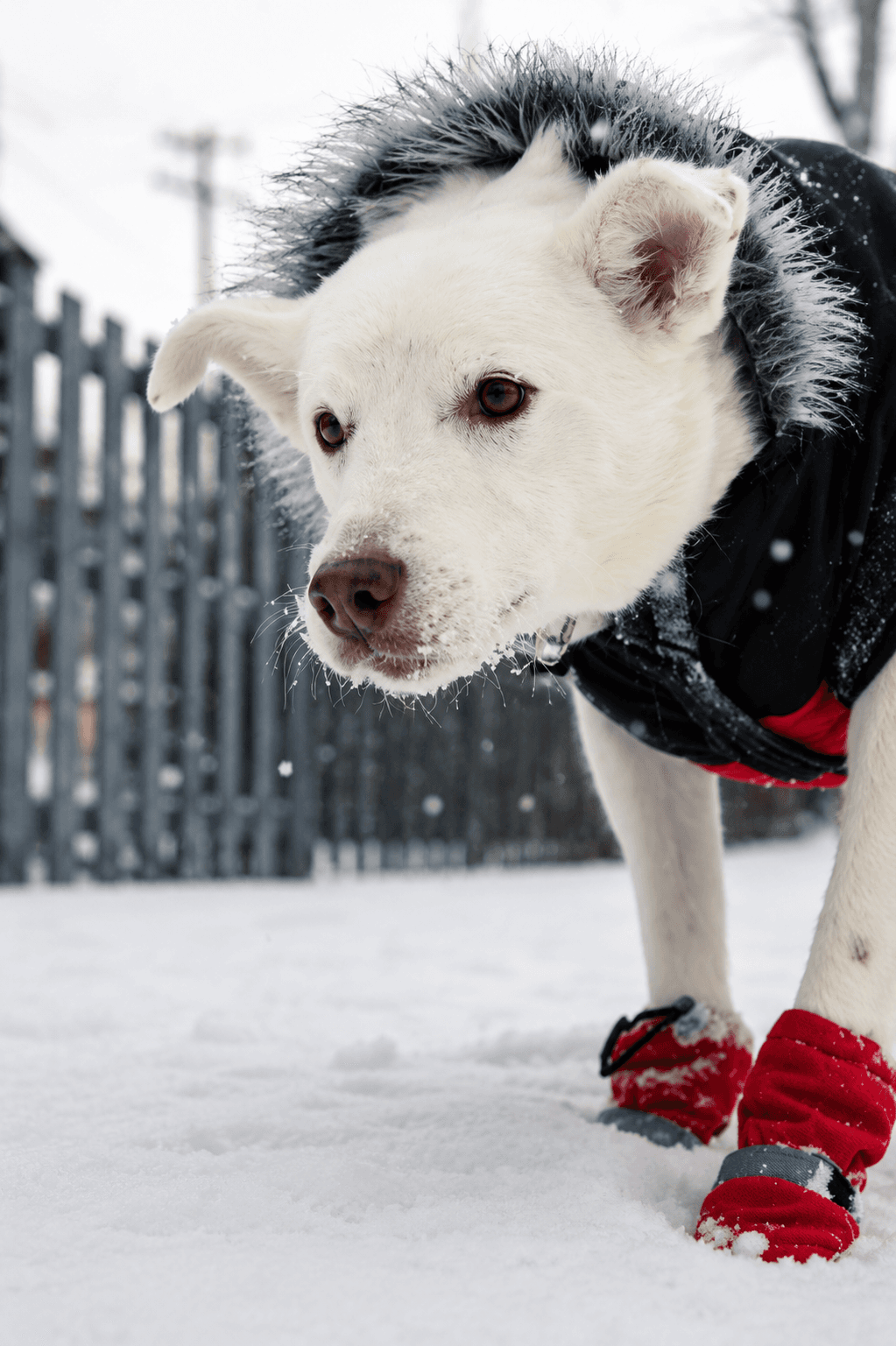
While double-coated breeds like Malamutes thrive in the cold, single-coated and smaller breeds lose body heat rapidly. A well-fitted winter coat is essential. Watch out for road salt, which can cause painful chemical burns on paw pads—protective booties or paw wax are highly recommended. If you notice your dog lifting their paws, it's time to head inside.
When the weather is truly unsafe, replace physical walks with indoor enrichment: puzzle toys, snuffle mats, or a 15-minute obedience training session.
Mental Exercise: The Hidden Variable
Physical exhaustion is only half the equation. Dogs see the world through their noses, and a 20-minute walk where your dog is allowed to stop and sniff every tree can tire their brain out just as much as a mile-long run. Denying a dog the chance to sniff on a walk is like putting a blindfold on a human at an art gallery.
Bridging the Gap in a Busy Schedule
Knowing your dog needs 90 minutes of activity and actually having the time to provide it before or after a long workday are two very different things. When dogs don't get this outlet, they create their own "jobs" at home—which usually involves redesigning your baseboards with their teeth.
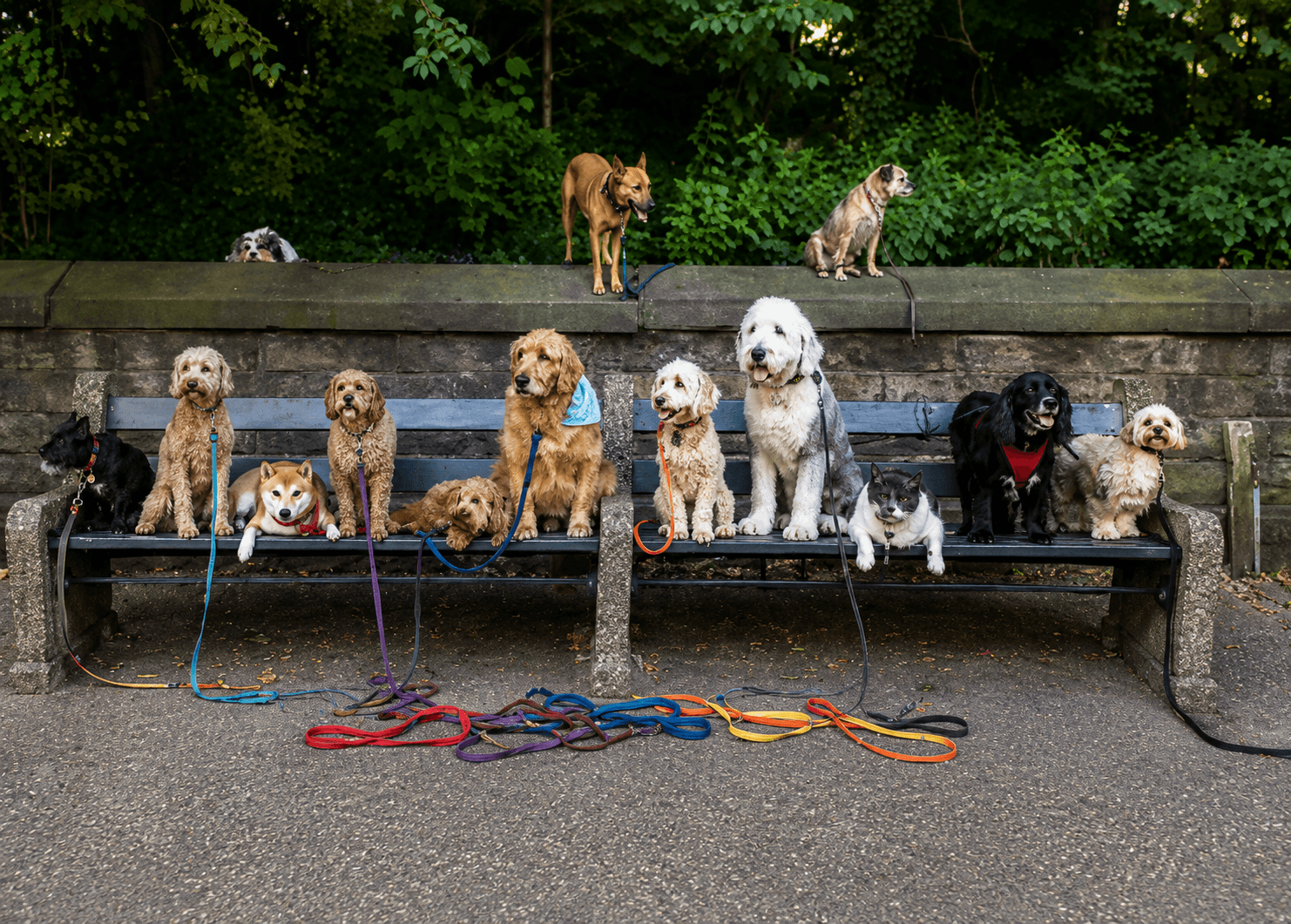
This is exactly why structured outlets are so critical. If your schedule is stretched thin, utilizing a professional dog walking service ensures your dog's baseline needs are met midday, breaking up the monotony of being home alone.
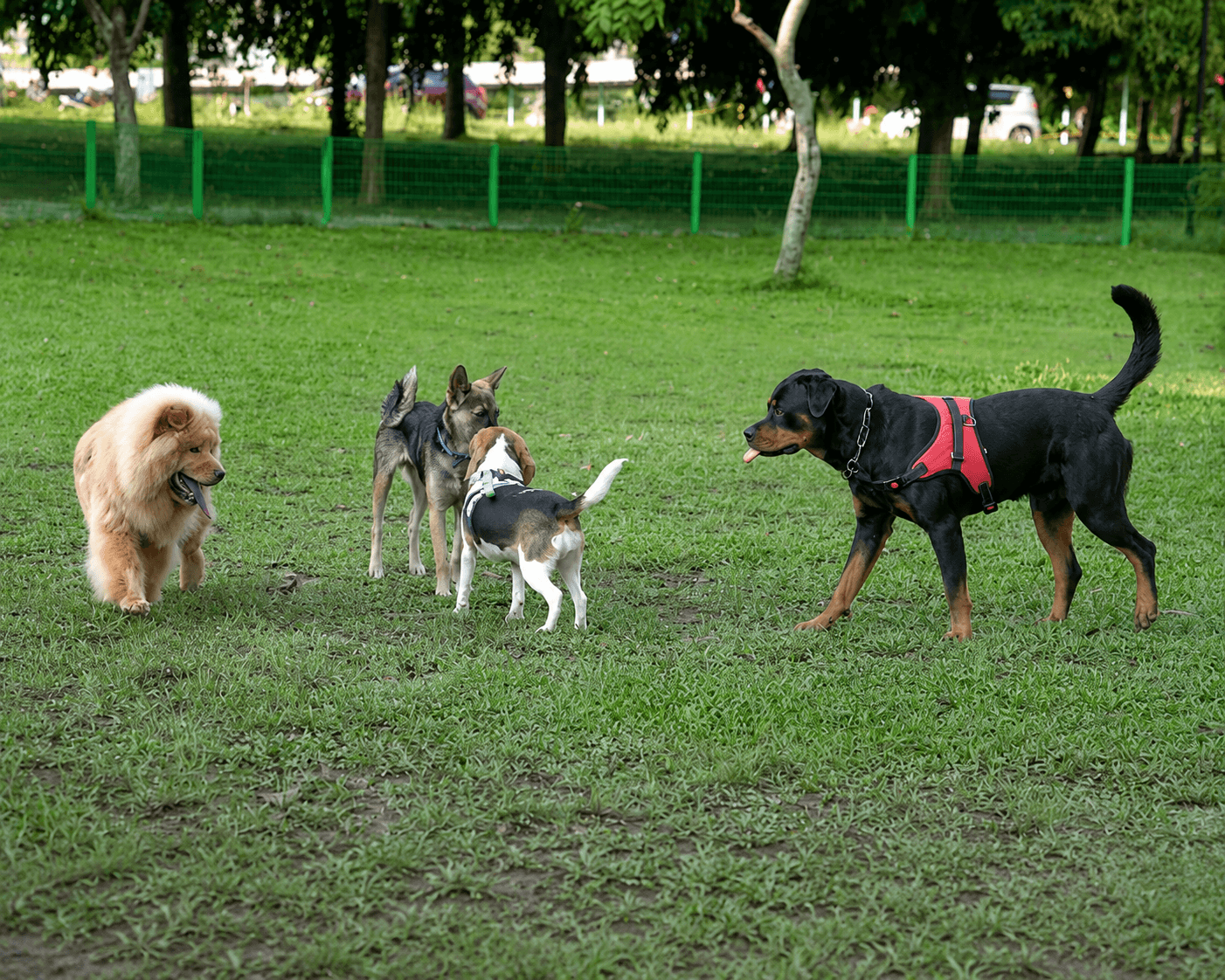
For higher-energy dogs who need more than just a walk, a structured daycare environment—like our new Paw Park at 218 Queen Street East—provides the perfect mix of physical play and vital canine socialization. They get to burn off that working-breed energy with their peers, and you get to come home to a dog who is genuinely ready to relax on the couch.
Your dog's exercise needs will change over time, but consistency is the one variable that should never drop.
— www.Sunnyism.Pro for DTdogs.ca