Health & Wellness
How Often Should You Groom Your Dog? A Complete Grooming Guide
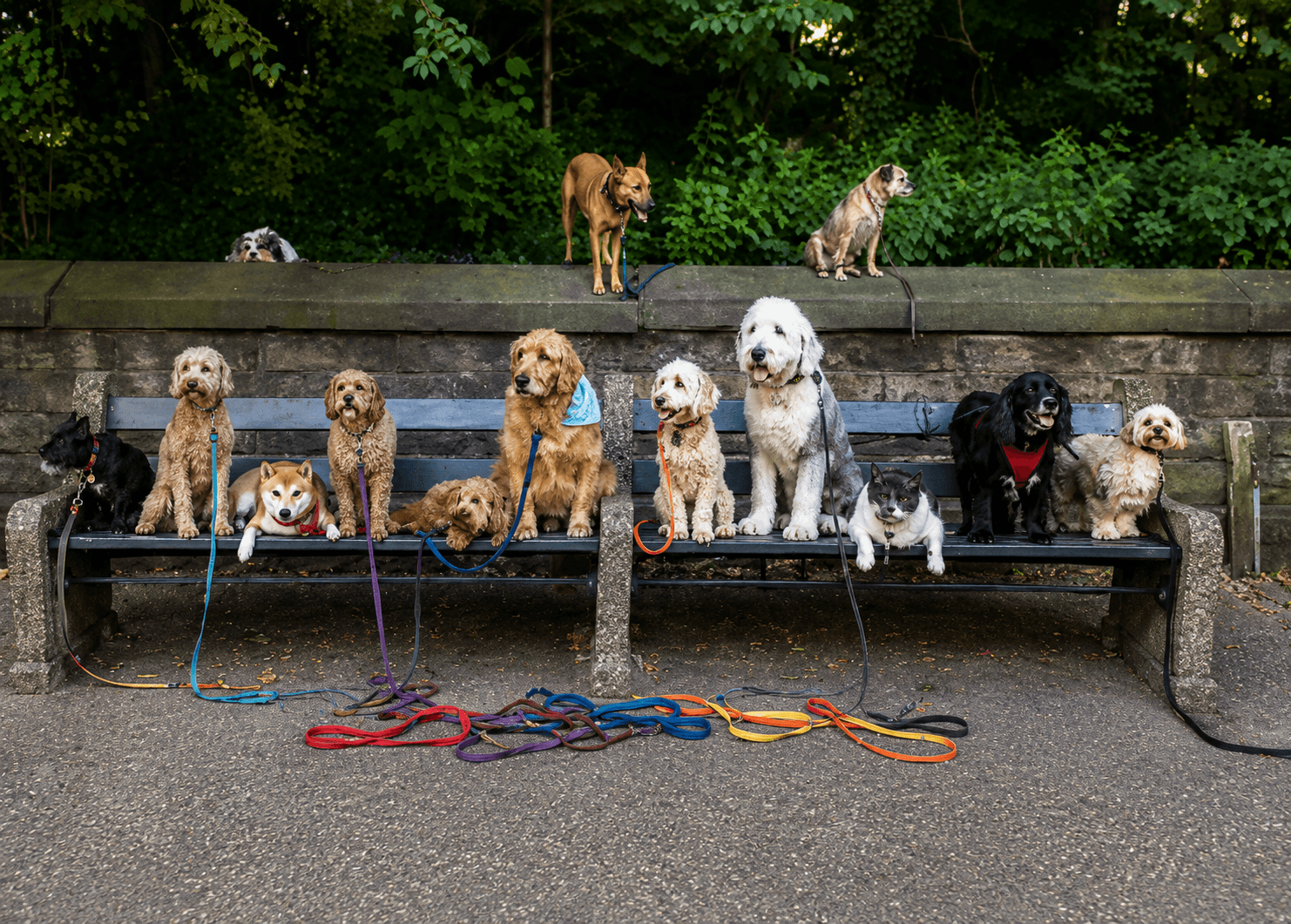
Keeping your dog looking sharp isn't just about aesthetics; it is a core component of their overall health and behavioral well-being. At DTdogs.ca, watching pups of all shapes and sizes socialize and play at the Paw Park reminds us daily that a well-groomed dog is a comfortable, happy dog.
Keeping your dog looking sharp isn't just about aesthetics; it is a core component of their overall health and behavioral well-being. At DTdogs.ca, watching pups of all shapes and sizes socialize and play at the Paw Park reminds us daily that a well-groomed dog is a comfortable, happy dog.
But with so many different coat types, figuring out a grooming schedule can feel overwhelming. Let's break down exactly what your dog needs, step by step, to keep them feeling their absolute best.
1. Brushing: The Foundation of Coat Health
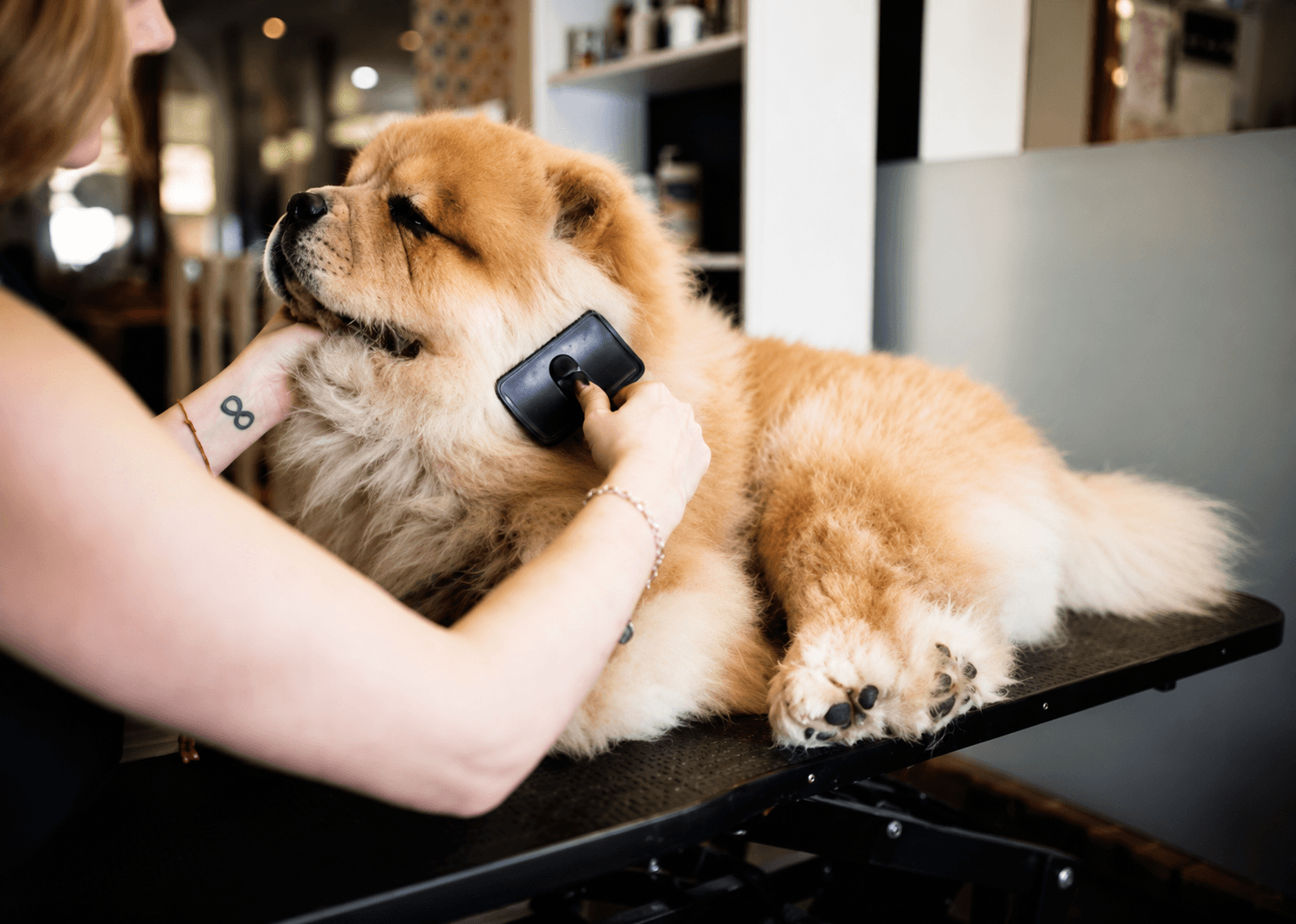
Brushing is the most critical part of your at-home grooming routine. It distributes natural oils, removes dead skin, and prevents painful matting.
Short-Coated Breeds (e.g., Boxers, Pugs): Brush once a week with a rubber curry brush or hound glove to control shedding and keep the coat shiny.
Double-Coated Breeds (e.g., Golden Retrievers, Huskies): Brush 2–3 times a week using a slicker brush and an undercoat rake. During the shedding season (spring and fall), expect to brush them daily to manage the "blowout."
Curly/Wiry Coats (e.g., Poodles, Terriers): These dogs are low-shedding but highly prone to matting. They require thorough combing and brushing almost every day, getting right down to the skin.
2. Bathing: Keep It Clean, But Don't Overdo It
A common mistake is bathing dogs too frequently, which strips their skin of essential natural oils, leading to dryness and irritation.
General Rule: Most dogs only need a bath once every 4 to 8 weeks.
Exceptions: If your dog loves rolling in the mud or has a specific medical skin condition, they may need more frequent washing. Always use a dog-specific shampoo, as human products have the wrong pH balance for canine skin.
3. Nail Trimming: The Click-Clack Test
If you can hear your dog's nails clicking on the hardwood floor, they are too long. Long nails can alter a dog's natural posture, causing joint pain and arthritis over time.
Frequency: Check and trim nails every 3 to 4 weeks.
Pro Tip: From a behavioral standpoint, handle your dog's paws daily even when you aren't clipping. Rewarding them for letting you touch their toes makes the actual trimming process much smoother and stress-free.
4. Ear Care: Listen Up for Health
Ear infections are incredibly common but easily preventable with routine checks.
Frequency: Inspect and clean your dog's ears once a month, or more frequently if they are prone to infections (like floppy-eared breeds such as Basset Hounds or Cocker Spaniels).
What to Look For: Use a vet-approved ear cleanser and a cotton ball (never a Q-tip). If the ear is red, inflamed, or has a funky, yeasty odor, it's time to skip the home cleaning and consult a vet.
5. Breed-Specific Considerations
No two dogs are exactly alike, and their grooming needs reflect their genetics.
Hair-Growing Breeds: Dogs with hair that continually grows (like Poodles, Shih Tzus, and Bichon Frises) need a professional haircut every 4 to 6 weeks to prevent severe matting.
Wrinkled Breeds: Bulldogs, Pugs, and Mastiffs need the folds of their skin wiped down daily or every other day with canine-safe wipes to prevent bacterial buildup and infections.
Establishing a consistent grooming routine does more than keep your furniture clean—it acts as a regular physical exam, helping you spot lumps, bumps, or skin issues early. Keep the sessions short, use plenty of high-value treats, and turn grooming into a positive bonding experience.
— www.Sunnyism.Pro DTdogs.ca